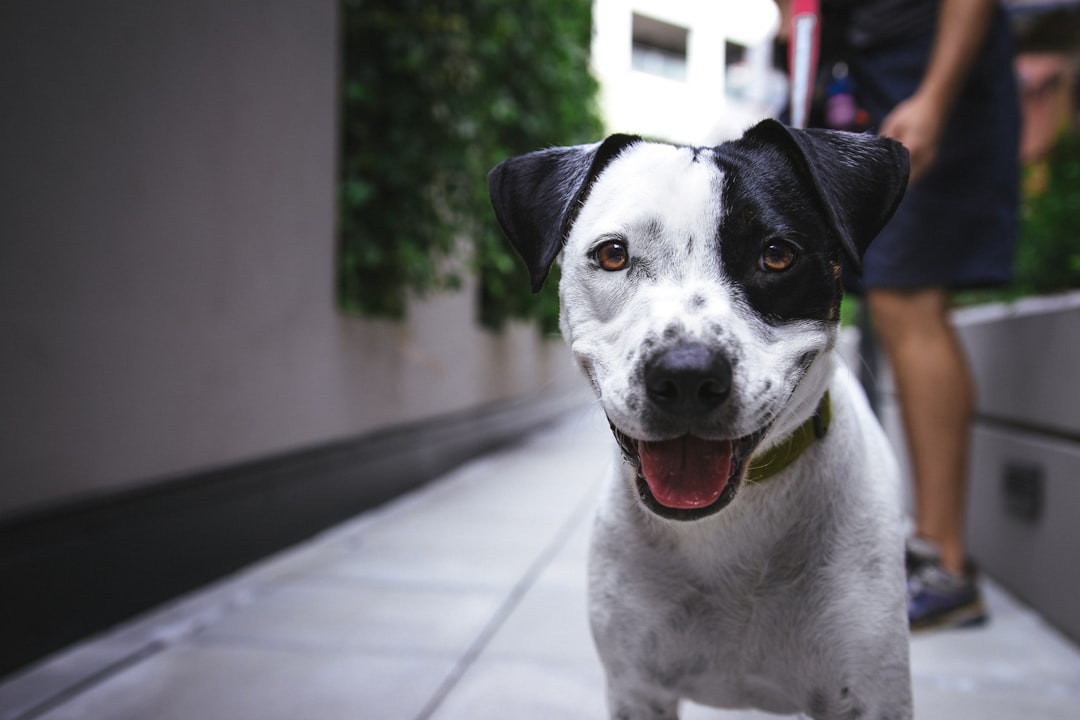
Overview of the importance of grooming for all dog breeds and coat types.
Regular dog grooming is crucial for all breeds, no matter the coat type or length. It's about keeping your dog healthy and comfortable. When you groom your dog regularly, you're not just making them look good; you're actually improving their coat health. Brushing helps distribute natural oils, which keeps the fur shiny and skin healthy. It also reduces shedding. Less hair around the house is a win for everyone.
Grooming is not just about the coat. It's about overall well-being. Regular grooming can help spot health issues early. You might notice a new lump or a sore spot you wouldn't have otherwise. Early detection can make a huge difference in treatment outcomes. Plus, regular grooming sessions can improve your bond with your pet. Dogs love the attention and feel more relaxed when they're used to being handled.
Key Benefits of Regular Dog Grooming:
On the fence about dematting tools? Our FURminator Adjustable Dematting Review covers ease of use and results so you can choose smartly..But timing matters. How often should you groom? It depends on the breed and coat type. Long-haired breeds might need daily brushing, while short-haired dogs can go a little longer. Skipping grooming can lead to mats and tangles, which are not just uncomfortable for your dog but can also lead to skin issues.
A common mistake is thinking that grooming is only about aesthetics. It's easy to overlook the nails, ears, and teeth. But these are just as important. Long nails can cause pain and affect gait. Dirty ears can lead to infections. And dental health is crucial for overall health.
In short, regular grooming is not optional. It's a necessary part of pet care. It keeps your dog healthy, happy, and looking good. And it strengthens your bond, making it a rewarding experience for both of you.
Detailed explanations of different coat types such as single, double, curly, and wiry, and their specific grooming requirements.
When it comes to grooming your dog, understanding their coat type is essential for maintaining their health and appearance. Different coat types have unique characteristics and require specific grooming techniques to keep them in top condition. Here's a detailed look at some common coat types and their grooming needs:
Key Facts About Dog Coat Types:
Dogs with a single coat have only one layer of fur, which can be short or long. Breeds like Greyhounds and Dachshunds typically have single coats. These dogs generally require less frequent grooming, but regular brushing is still necessary to remove loose hairs and prevent tangles. A soft-bristle brush or grooming mitt works well for this coat type.
Double-coated dogs, such as Golden Retrievers and Siberian Huskies, have two layers of fur: a soft undercoat and a coarser topcoat. These coats shed seasonally, requiring more attention during shedding periods. Regular brushing with an undercoat rake or slicker brush helps manage shedding and prevents matting. Be cautious not to shave double-coated breeds, as their fur helps regulate body temperature.
Curly-coated breeds like Poodles and Bichon Frises have dense, curly fur that tends to mat easily if not cared for properly. These dogs need frequent grooming, often requiring professional trims every 4-6 weeks. Regular brushing with a slicker brush or comb helps keep their curls tangle-free between grooming appointments.
Wiry-coated dogs, such as Terriers and Schnauzers, have a rough, bristly texture. This coat type benefits from hand-stripping or using a stripping knife to remove dead hairs and maintain the coat's texture. Regular brushing with a pin brush keeps the coat clean and reduces matting. Professional grooming every 6-8 weeks is often recommended to maintain the wiry texture.
By understanding the specific grooming needs of your dog's coat type, you can ensure they remain comfortable and healthy. Regular grooming not only enhances their appearance but also provides an opportunity to check for skin issues, parasites, or other health concerns.
List and explanation of essential grooming tools suited for each coat type, including brushes, combs, and clippers.
Regular grooming is essential for maintaining your dog's coat and overall health. Understanding the right tools for your dog's specific coat type can make grooming sessions more efficient and enjoyable for both you and your pet. Here's a guide to essential grooming tools tailored for different coat types:
Investing in the right tools for your dog's coat type not only simplifies the grooming process but also promotes a healthier, happier pet. Regular grooming sessions help prevent skin issues, reduce shedding, and ensure your dog looks and feels their best.
A comprehensive checklist providing detailed steps for grooming each type of coat, from bathing to brushing.
Regular grooming is more than just making your dog look good—it's crucial for their health. Start with coat health. Regular grooming helps distribute natural oils, keeping your dog's coat shiny and healthy. It reduces the risk of matting, which can be painful and lead to skin infections. You'll also notice less shedding around the house. Who doesn't want that?
Key Grooming Facts:
So, when should you groom? It depends on the coat type. Long-haired breeds need more frequent grooming, maybe even daily brushing. Short-haired dogs can get by with less frequent sessions. Bathing should be part of the routine, but not too often. Over-bathing can strip oils from the coat. Use dog-specific shampoos to avoid irritation.
How do you do it? Start with brushing. It removes loose fur and dirt. Follow up with a bath if needed. Be sure to check for any skin issues or parasites while you're at it. Clip their nails, clean their ears, and brush their teeth. Yes, dental care is part of grooming too.
Common mistakes? Skipping regular sessions can lead to a tangled mess that's hard to fix. And using human products can cause skin problems. If you're not sure, consult a professional groomer.
What if you skip grooming? Your dog might end up with uncomfortable mats, skin issues, or even infections. Plus, regular grooming can enhance your bond with your dog. It's a time for you both to relax and connect. So, grab that brush and get started. Your dog will thank you.
Discussion on how regular grooming enhances coat health, reduces shedding, and strengthens the pet-owner bond.
Regular grooming is essential for maintaining your dog's coat health, regardless of their coat type or length. By establishing a consistent grooming routine, you can significantly enhance your pet's overall well-being and appearance. Brushing your dog's coat regularly helps distribute natural oils throughout the fur, promoting a healthy, shiny coat. This process also helps remove dirt, debris, and loose hair, reducing the likelihood of tangles and mats that can lead to discomfort and skin issues.
One of the most appreciated benefits of regular grooming is the reduction in shedding. By routinely brushing your dog, you effectively capture loose fur before it has a chance to spread throughout your home. This not only keeps your living space cleaner but also minimizes the allergens that can be associated with pet dander.
Beyond the physical advantages, regular grooming sessions provide an excellent opportunity to strengthen the bond between you and your pet. Spending quality time together during grooming allows for gentle interaction and can be a calming experience for both you and your dog. This routine act of care and attention helps build trust and reinforces the loving relationship you share with your furry companion.
Explanation of how grooming plays a role in early detection of health issues like skin infections and parasites.
Regular grooming isn't just about making your dog look good. It's a practical way to monitor your pet's health. While brushing and bathing, you're up close and personal with your dog's skin. This is when you might notice things you wouldn't otherwise see, like bumps, redness, or even fleas and ticks. Catching these early can save your dog a lot of discomfort and can prevent bigger health issues down the road.
Grooming also plays a role in maintaining a healthy coat. Regular brushing helps distribute natural oils, making the fur shiny and healthy. It also reduces shedding, which is a big plus if you're tired of finding dog hair on every piece of furniture. A well-groomed coat is less likely to develop mats or tangles, which can pull on the skin and cause irritation.
But it's not just about the physical benefits. Grooming is a time to bond with your dog. It's a chance to build trust and strengthen your relationship. Dogs often enjoy the attention and care, making them more comfortable with handling in general.
Missing out on regular grooming can lead to more than just a messy coat. Skin infections can develop under mats, and undetected parasites can lead to bigger health issues. Many pet owners assume that grooming is only for long-haired dogs, but even short-haired breeds need regular attention to stay healthy and comfortable. So, don't skip it. Make grooming a consistent part of your dog's routine. It's worth the time and effort for both you and your furry friend.
Guide on how often various breeds and coat types should be groomed for optimum health and comfort.
Understanding the grooming needs of your dog is crucial to maintaining their health and comfort. The frequency of grooming largely depends on the breed and the type of coat your dog has. Let's explore how often you should groom different types of coats to ensure your furry friend looks and feels their best.
Dogs with short coats, such as Beagles and Dalmatians, generally require less maintenance. Weekly brushing is usually sufficient to remove loose fur and keep their coat shiny. Bathing can be done every two to three months unless they get into something messy.
Breeds like Golden Retrievers and Border Collies have medium-length coats that can benefit from more frequent grooming. Aim for brushing two to three times a week to prevent matting and tangles. Regular baths every one to two months will help keep their coat clean and healthy.
Long-haired dogs, including Afghan Hounds and Shih Tzus, require daily grooming to manage their flowing locks. Daily brushing helps prevent tangles and mats, which can become painful if left unchecked. Monthly baths and regular trims every six to eight weeks are also recommended to maintain their coat's health and appearance.
Breeds like Huskies and German Shepherds have double coats that shed seasonally. During shedding seasons, daily brushing is essential to manage loose fur and avoid shedding all over your home. Outside of shedding seasons, brushing two to three times a week should suffice. Bathing every three months is generally adequate unless they get particularly dirty or smelly.
Curly-coated breeds such as Poodles and Bichon Frises need regular grooming to avoid mats and tangles. These dogs benefit from brushing every other day and professional grooming every four to six weeks. Regular trimming is necessary to keep their coat manageable and healthy.
By tailoring your grooming routine to your dog's specific needs, you can help them maintain a healthy, comfortable coat. Regular grooming not only enhances their appearance but also strengthens your bond and provides an opportunity to check for any skin issues or parasites.
Tips and solutions for common grooming challenges such as matting, anxious dogs, and seasonal shedding.
Grooming your dog regularly can sometimes present a few challenges, but with the right tips and solutions, these can be easily managed. One common issue is matting, especially in dogs with longer coats. To prevent mats from forming, it's important to brush your dog's fur frequently, ideally several times a week. If mats do occur, use a detangling spray and gently work through the tangles with a slicker brush or a mat splitter, being careful not to pull on your dog's skin. For severe mats, consider consulting a professional groomer to avoid causing discomfort to your pet.
Anxious dogs can also pose a challenge during grooming sessions. To ease their anxiety, create a calm environment by playing soothing music and using pheromone sprays designed to reduce stress. Introduce grooming tools slowly, allowing your dog to sniff and become familiar with them before use. Positive reinforcement, such as treats and praise, can also help your dog associate grooming with positive experiences.
Seasonal shedding can be another hurdle, particularly for breeds with double coats. During shedding season, increase the frequency of brushing to remove loose fur and prevent it from accumulating around your home. Using an undercoat rake can be particularly effective for reaching the dense underlayer of fur. Regular baths with a de-shedding shampoo can also help manage excess fur.
By addressing these common grooming challenges with patience and the right techniques, you can maintain your dog's coat health and enjoy a more pleasant grooming experience for both you and your pet.
How grooming routines can improve the relationship between dogs and their owners by creating a trusting bond.
Grooming your dog is not just about maintaining a shiny coat or keeping them clean; it's a wonderful opportunity to strengthen the bond between you and your furry friend. Regular grooming sessions foster trust and deepen the relationship, transforming what might seem like a mundane task into a cherished routine.
Key Benefits of Grooming:
When you consistently engage in grooming, your dog learns to associate your touch with comfort and care. This repetitive interaction helps them feel secure and loved, reinforcing their trust in you as their caregiver. As you brush their fur, trim their nails, or clean their ears, you're not only ensuring their well-being but also showing them how much you care. This dedicated time together allows for calm, focused interaction, free from distractions, where your dog is the center of attention.
Moreover, grooming is a great way to communicate with your dog beyond words. It allows you to understand their body language and respond to their cues. For instance, if your dog enjoys a particular brush stroke or dislikes a certain area being touched, you can adjust your technique to make the experience more pleasant for them. This responsiveness builds mutual respect and understanding, enhancing your connection.
For dogs that may initially be anxious or fearful of grooming, patience and gentle handling can transform the experience into a positive one. Over time, your dog will come to anticipate grooming sessions with excitement, viewing them as a special time with their favorite person. This positive anticipation can spill over into other areas of life, creating a happier, more confident pet.
Incorporating grooming into your regular routine not only keeps your dog's coat healthy and beautiful but also nurtures a loving, trusting relationship that will enrich both of your lives.